

Jawline fillers: advanced techniques to sculpt and define the lower face

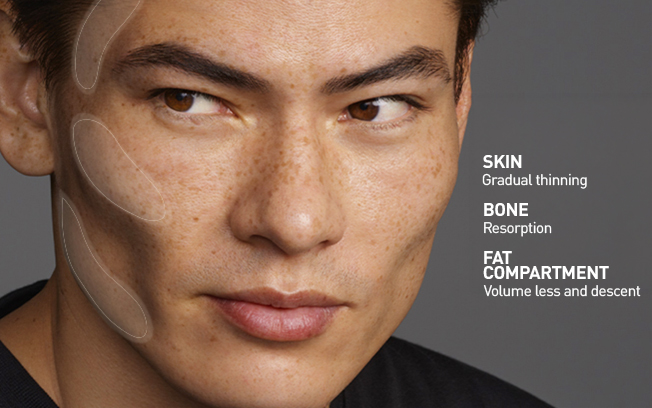
A well-defined jawline plays a central role in facial harmony and attractiveness. It frames the face, enhances its symmetry, and conveys strength, vitality, and confidence. But over time or simply due to genetics, this definition can fade. Skin loses elasticity, bone structure subtly changes, and adipocytes, the fat cells that give volume and contour, begin to redistribute or shrink. As these changes occur, the lower face looks softer or less structured, blurring the sharpness that defines a youthful jawline.
The growing interest in jawline contouring reflects a broader aesthetic evolution: one that values harmony, proportion, and natural enhancement over transformation. In aesthetic medicine today, both men and women are seeking treatments that redefine, bringing subtle lift, improved contours, and restored structure, all without surgery.
It is central in modern aesthetic practice to consider the diversity of facial anatomies, goals, and expectations when designing a treatment plan.
Understanding the anatomy of the Jawline and the ageing process
The jawline is one of the most dynamic and structurally complex areas of the face. It defines the transition between the face and neck and plays a key role in overall balance. The jawline may appear weak or asymmetrical due to natural anatomy rather than ageing. It is a significant concern for many patients in aesthetic clinics, especially after the age of 50. For men, a strong and well-defined jawline is often associated with masculinity and attractiveness, making it a key focus in aesthetic treatment. Over time, this area undergoes several changes, including:
- Bone resorption: With age, the mandibular bone loses density, reducing structural support.
- Fat redistribution: Fat pads in the lower face descend, creating jowls and loss of contour.
- Skin laxity: Collagen and elastin fibers degrade, leading to sagging and less firm skin.
These combined factors can make the lower face appear heavier or tired, even in healthy individuals.
Jawline contouring options: from non-invasive to surgical
Jawline contouring can be achieved through a range of techniques, from temporary, non-invasive treatments to more permanent surgical procedures. In recent years, less invasive options have gained popularity thanks to their accessibility and minimal recovery time.
Beyond fillers, other non-surgical approaches exist. Thread lifts offer a gentle lifting effect by repositioning the skin with fine threads placed beneath the surface, while botulinum toxin can refine the jawline when excessive muscle activity makes it appear wider.

However, when the goal is to create projection, rebuild structure, or restore volume, hyaluronic acid fillers remain the most versatile and effective solution. Compared with surgical alternatives such as facelifts, liposuction, or implants, they provide precision, reversibility, and natural-looking results, all without the downtime or risks associated with surgery.
What are jawline fillers, and how do they work?
Jawline fillers are injectable dermal fillers designed to restore or enhance definition along the lower face, from the chin to the mandibular angle. They can sharpen contours, correct asymmetries, and restore lost structure, all without the need for surgery.
The most commonly used fillers are based on hyaluronic acid (HA), a naturally occurring molecule in the skin known for its ability to attract and retain water. It integrates smoothly into tissues, is reversible, biocompatible, and provides instant results. Other technologies such as calcium hydroxylapatite (CaHA) or poly-L-lactic acid (PLLA) may also be used, depending on the desired degree of volume, firmness, and longevity. This diversity allows practitioners to adapt treatments to each patient’s anatomy and goals. The degree of correction can be tailored, from subtle refinement to more structural contouring.
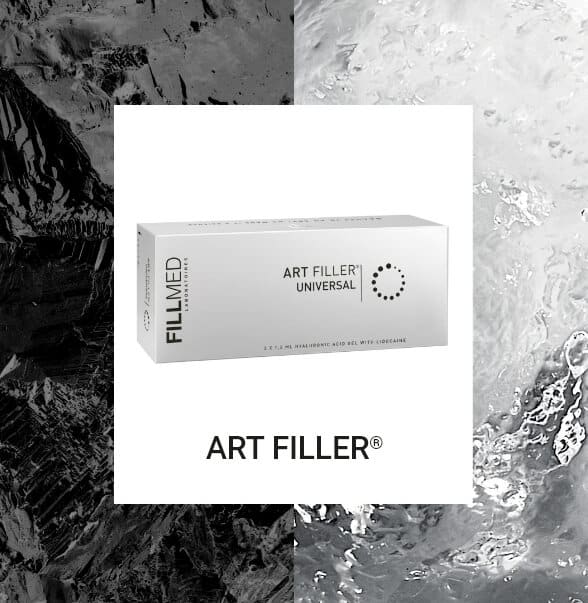
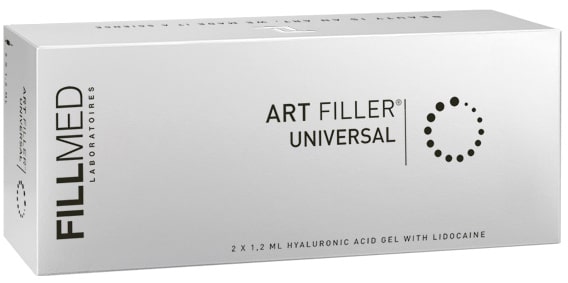
This is where FILLMED’s ART FILLER® VOLUME stands out. Powered by TRI-HYAL® Technology, it combines three types of hyaluronic acid to deliver long-lasting volume with smooth tissue integration. Its rheological properties make it particularly suited for jawline contouring and projection, offering both lift and structure while maintaining natural harmony in facial proportions.

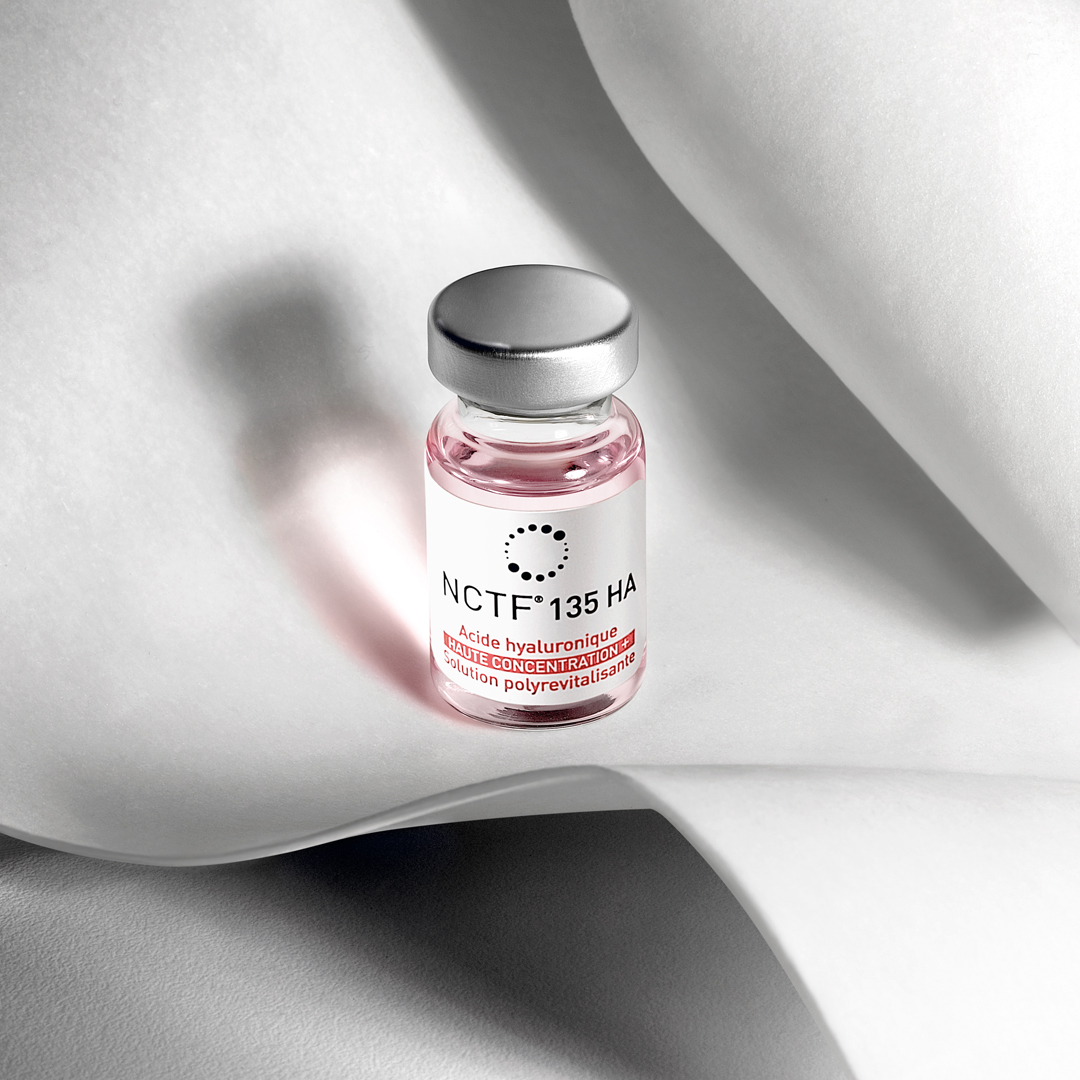
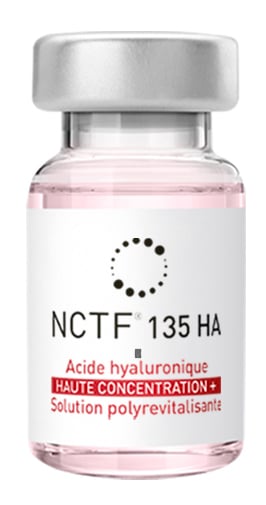
For an even more comprehensive approach, ART FILLER® VOLUME can be paired* with NCTF® 135 HA, a unique revitalizing solution that targets skin quality from within. Enriched with 60 active ingredients, it stimulates collagen production by activating fibroblasts, helping restore dermal density and improve overall skin texture.
How is the procedure performed?
Jawline contouring with dermal fillers is a quick, in-office procedure. Depending on the treatment plan, your practitioner may use a fine needle for precise placement or a cannula for broader distribution across tissue layers.
The session typically lasts 10 to 15 minutes, and results are visible immediately. Mild swelling may appear, and the final result becomes fully apparent after a few days, once the product has settled naturally into the tissues.
To ensure comfort, most hyaluronic acid fillers are formulated with lidocaine, a local anesthetic that helps minimize discomfort during injection. The ART FILLER® range from FILLMED includes lidocaine in all its formulations, providing a smoother, more comfortable injection experience for both practitioner and patient. Thanks to that, most patients find the procedure quick and well-tolerated.

Before and After: Visible yet natural transformations
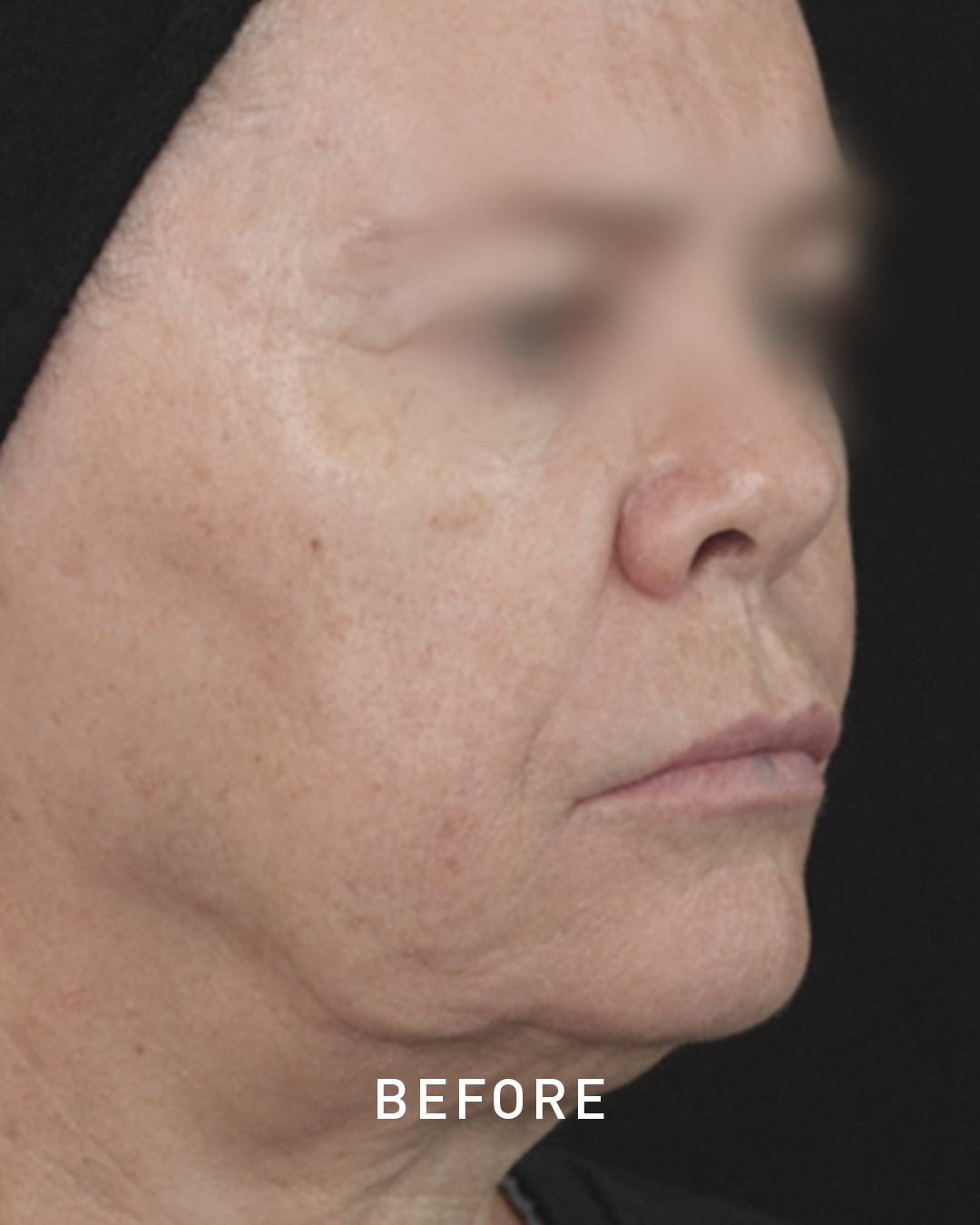
Even small adjustments along the jawline can significantly impact facial harmony. By restoring definition and balance, fillers refresh the profile while preserving each individual’s natural identity.
The goal is not to alter one’s features but to enhance and reveal the natural structure that defines them. When performed with anatomical precision and product expertise, the results look natural and refined, enhancing the structure and harmony of the face without altering individual features.

Are Jawline fillers safe? What are the risks?**
Jawline fillers are widely used and considered safe when performed by experienced clinicians. However, like any medical procedure, they carry some potential risks:
- Pain, swelling, and bruising: Mild pressure or tenderness at the injection sites, as well as temporary swelling or bruising, are the most common short-term effects. These reactions are typically related to the injection process itself and usually resolve on their own within a few days to a couple of weeks.
- Product migration or uneven results: Poor technique or inappropriate product selection can lead to overfilling, lumps, or visible irregularities. One advantage of hyaluronic acid fillers is that they can be partially or fully dissolved with hyaluronidase if needed, allowing correction in case of an unsatisfactory outcome.
The ART FILLER® range has been developed with patient safety as a priority. Its formulation, rheological properties, and indications have been rigorously tested and scientifically validated to ensure predictable, high-quality results. When combined with the expertise of a qualified practitioner, the risk of complications is significantly reduced, supporting precise and harmonious results.
How long do Jawline fillers last?

Results from jawline filler injections are immediate and continue to improve as minor swelling resolves. On average, results last 12 to 18 months, depending on the product used, the area treated, and individual factors such as metabolism, skin quality, and lifestyle.
Hyaluronic acid fillers are biodegradable, they are naturally broken down and absorbed by the body over time. Maintenance sessions can be scheduled to preserve the desired contour and definition of your jawline.
A modern approach to facial harmony
In expert hands, jawline fillers offer more than definition. They restore proportion, rejuvenate structure, and enhance confidence. By combining advanced anatomical understanding with scientifically developed products, aesthetic medicine today provides natural, balanced outcomes tailored to every face.
*ART FILLER® & NCTF® 135 HA must be applied in two separate sessions.
**The risks associated with ART FILLER® and NCTF 135 HA® are identified in the product instruction for use.
ART FILLER® & NCTF® 135 HA are injectable medical devices. Ask your doctor for advice. If any adverse events occur, please inform your doctor. Vigilance contact (notification of an adverse event): vigilance@fillmed.com
| MIX-109-05-2025 |
You may also like
those news






Discover the full
FILLMED range

Read all articles Beauty Advice